Green Urbanism – 2nd edition: "The Periphery as a Catalyst for Energy and Skills"
- 5th Dec - 6th Dec 2018
- gu@ierek-scholar.org
About the Conference
- Energy Efficiency
- Passive Design in Buildings
- Sustainable Infrastructure
- Natural Resources & Waste Management
- Infrastructure and Mobility
- Governance and Education for Sustainable Cities
- Lucia Nucci, Roma Tre University.
- Chaham Alalouch, Sultan Qaboos University
- Fabio Naselli, Epoka University of Tirana.
- Domenica Bona, Roma Tre University.
- Elena Gigliarelly, Institute of Technology Applied to Cultural Heritage.
- Wael Youssef, Al Azhar University.
- Filippo Calcerano, Institute of Technology Applied to Cultural Heritage.
- Antonio Polimeni, University of Rome Tor Vergata.
- Chiara Ravagnan, University of Sapienza.
Discussing the importance of Sustainable Development by providing solutions towards zero-waste cities, the Green Urbanism conference, for the second time, has successfully established a platform for stakeholders, architects, designers, urban and transport planners, economists and more to contribute to benefiting the environment through topics of:
and more.
Participants
Attending from differents parts of the globe, the second version of the Green Urbanism conference titled “Periphery as a Catalyst for Energy and skills” has received the interest and been enriched with the attendance of Authors, Coauthors and Audience members from diverse countries such as Germany, Oman, Saudi Arabia, Mexico, China, India, Syria, Algeria, Egypt, Italy and more. A great way to meet new people in the field, gain more knowledge on latest trends and involve oneself in future research and projects.
Conference Outline
The GU conference was held in the Department of Architecture im Roma Tre Universita Degli Studi in Rome over a period of two days, from the 5th of December to the 6th. 2018.
The opening session of the conference was initiated by introductory speeches from the chairperson, Prof. Ferdinando Trapani (University of Palermo), Prof. Fabio Naselli (Epoka University of Tirana), Prof. Chaham Alalouch (Sultan Qaboos University). This session was concluded with a key speech delivered by the CEO of IEREK, Dr. Mourad Amer, and a presentation by IEREK’s General Director, Dr. Abdelaziz Sakr. The conference was finally and officially started by an eloquent keynote speech delivered by Professor Chaham Alalouch.


Sessions were professionally moderated by Professors:
Sessions led by the list of reputable professors above were categorized according to the relevant research. Several themes were discussed as follows:
Session 1: Governance & Education for Sustainable Cities
Session 2: Natural Resources & Waste Management at the Neighborhood Scale.
Session 3: Sustainable Infrastructure & Mobility.
Session 4: Energy Efficiency & Passive Design in Buildings.


Feedback:
“I think that the topics and the issues discussed in the presentation were very focused on the benefits of the ‘Green Urbanism’ approach. I want to stress that the usefulness of this topic/conference lies in the hands of researchers and scholars in their arguments of issues faced in the development of, both, cities and the countryside during this century, This is key to avoiding big problems; environmental problems.”
-Prof. Fabio Naselli
“We should try and understand Experiences of Sustainability in other countries and the history behind them. Each has its own standards of sustainability and each can be evolve and improve. Thus, they cannot be taken and/or applied in every context. We must be brave enough to take the challenge of evolving them and going beyond.”
- Filippo Calcerano, Institute of Technology Applied to Cultural Heritage.
“I want to thank those who have contributed with research to the sessions. Talking about different levels of research, Authors focused on all perspectives focused on human beings in different contexts. They all put man as the center of the discussion and showed honest concern of issues in the existing built environment”.
“We had a successful, smooth and useful conference. I encourage you all to make use of this research as they have useful information in them”
-Prof. Chaham Alalouch, Sultan Qaboos University.
“The contribution was very interesting for the debate on GU. […] Some even took Sectorial Approaches to overcoming issues of Structure, Urban Planning and Landscape and coming up with an integrative approach.”
-Prof. Chiara Ravagnan, University of Sapienza.
“The presentations and papers were interesting. I really believe that we have to give more value to design. We have not to follow mere economic and market tracks. With design we can find the way to make our cities greener and healthier.”
-Maria Livia Olivetti, Roma Tre University.
“Despite the number of attendees not being very high, the conference is concise, professional and well-managed. We got a lot of scientific added value from different researches we saw.”
-Deborah Middleton [Author & College of Architecture and Design, Effat University


The second version of the Green Urbanism Conference discusses the importance of green urbanism and sustainable development. This conference will be aimed to provide solutions towards zero waste cities. It will be an attempt to create a more sustainable place, using fewer resources. By putting together the term “green” and the study of “urbanism” and despite its promise of a sustainable, energy-efficient and developed world, we are still faced with deep challenges.
Cities must become the most environmentally-friendly model for inhabiting our earth. It is more important than ever to re-conceptualize existing cities and their systems of infrastructure, to become compact, mixed-use and polycentric cities. Therefore, green urbanism combines the work of engineers, urban planners, economists, transport planners, architects. Hoping for improving the relationship between humans and their environment by focusing on the city.
IEREK organizes this conference to deal with cross-cut issues in architecture and urban design and addresses the question of the ways we can best and cohesively integrate all the aspects of energy systems, transportation systems, waste and water management and passive and active strategies into contemporary urban design and improved environmental performance of our cities.
The significance of this conference lies in the pressing need for the integration of sustainability principles in the urban design process of cities and the general need for sustainable development. It will be of particular relevance to the rapid urban growth of developing cities. The conference also provides a context for a general debate about the regeneration of the periphery, peri-urban fringes (and city center) as a catalyst for energy and skills, and discusses how green urbanism is affected by the paradigms of ecology.
Partner Universities
| Partnership with, the Roma TRE Universita Degli Studi. Certification by university, alongside IEREK's, will be offered to our authors by the end of the conference. |
Co-Chairs
Abraham George
Ahmed Shehata
Ajay Chandak
Alessandra Capuano
Professor
Alessandro Di Graziano

Alessandro De Masi
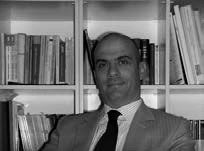
Andrea Ciaramella
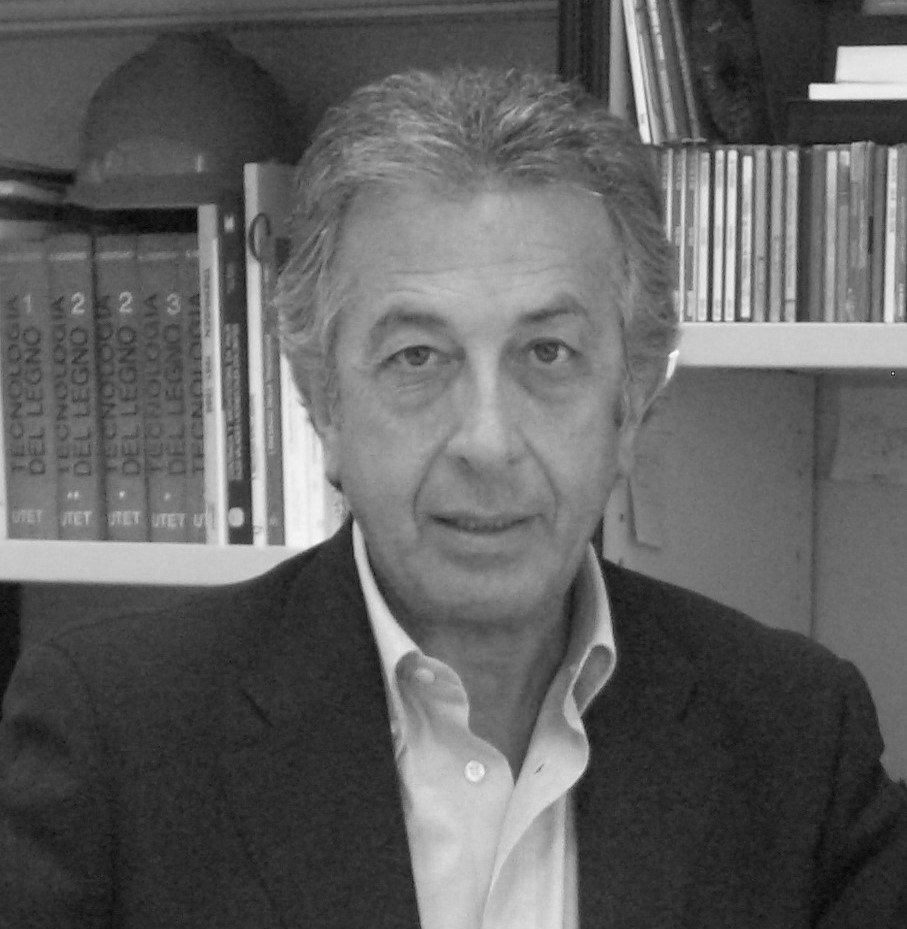
Antonio Frattari
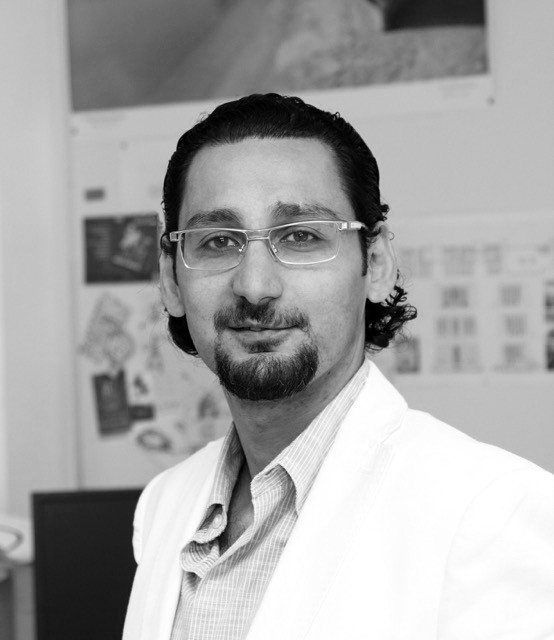
Chaham Alalouch
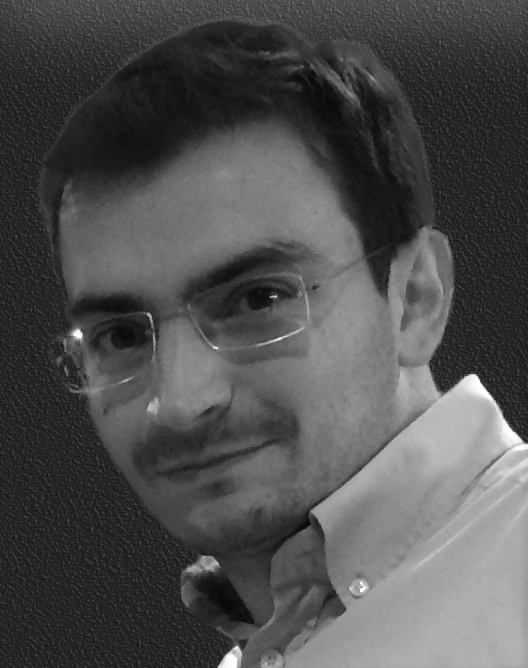
Crescenzo Petrone
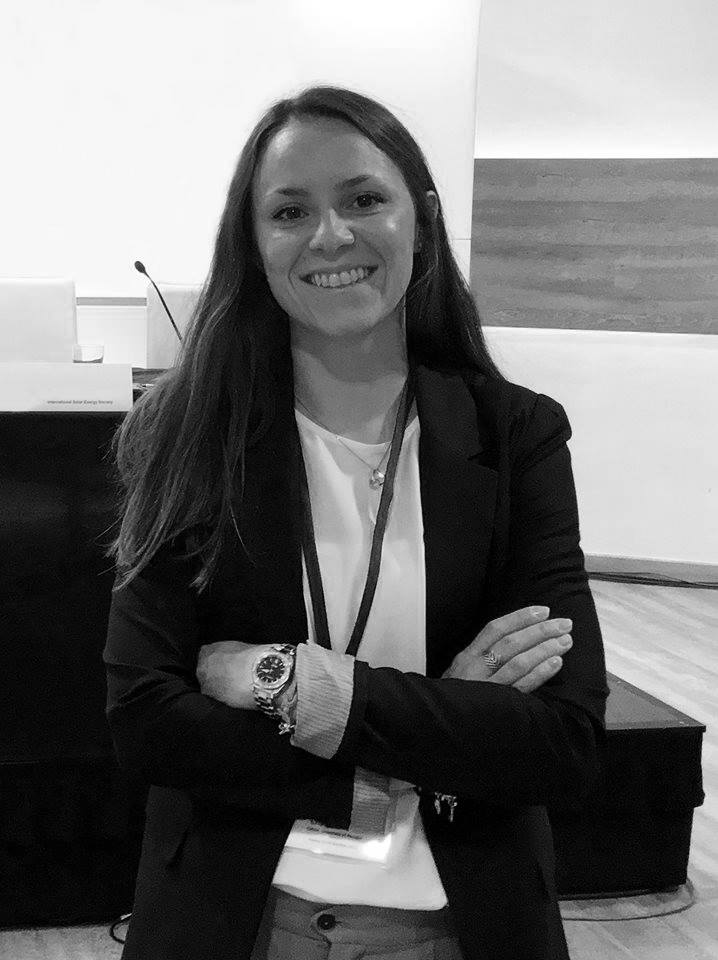
Cristina Piselli
Daniele Ronsivalle

Denia Kolokotsa

Despina Kyprianou

Despina Dimelli

Dora Francese
Eric J. Strauss
Giovanni Tesoriere
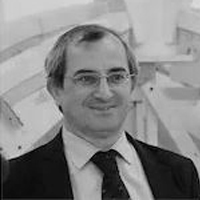
GIUSEPPE DI BENEDETTO
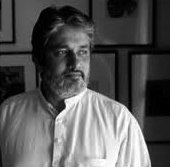
Hasan Uddin-Khan
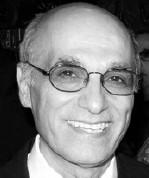
Hashem Akbari
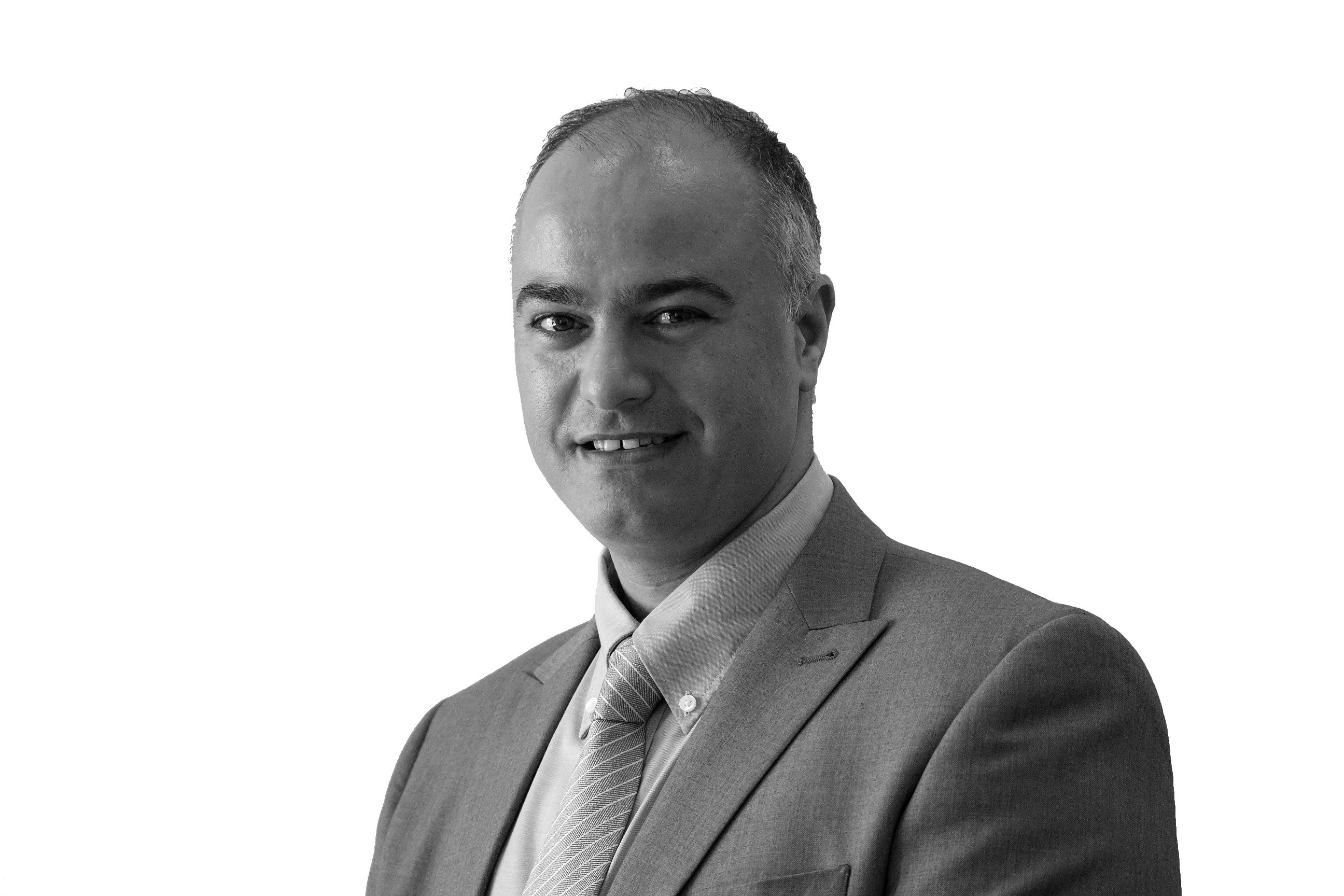
Haşim Altan

Hassan Abdelsalam

Henri Achten
Hoshiar Nooraddin

Jack F. Werner
Kaveh Ostad-Ali-Askari
Khairul Anuar bin Kassim
Khaled Salah Shaaban
Luca Donner
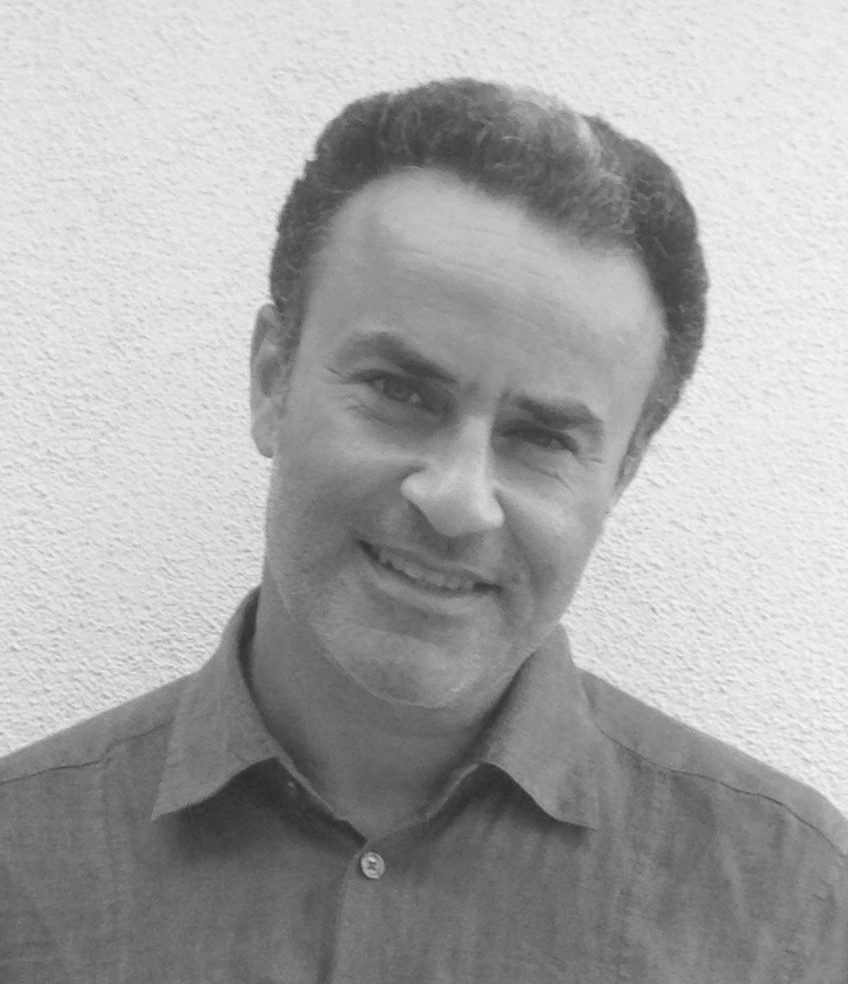
Luca Barbarossa
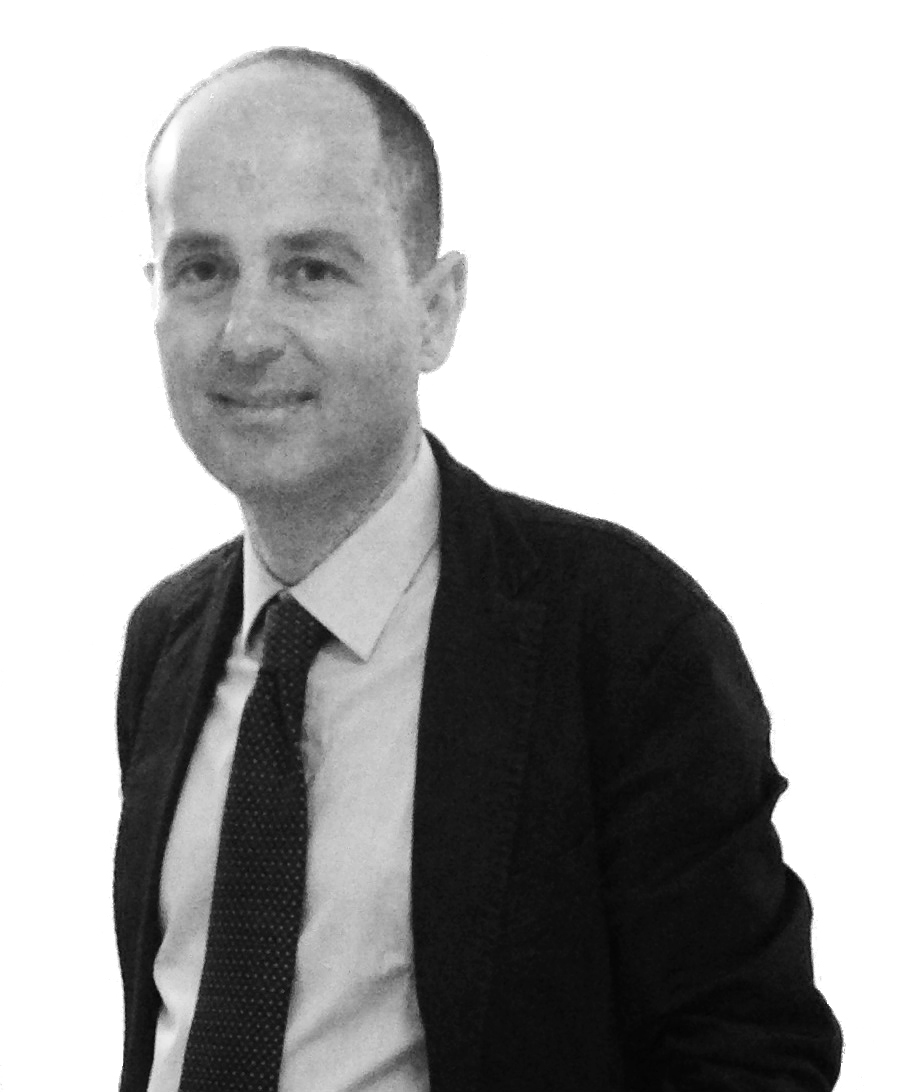
Luigi Petti
Maurizio Oddo
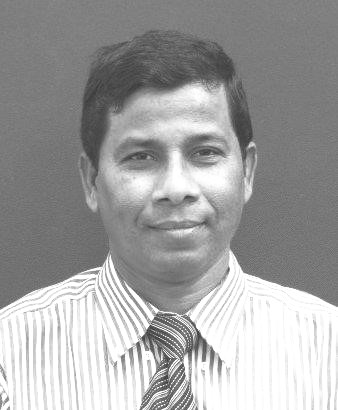
Md. Abdul Mannan
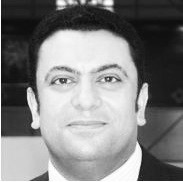
Mohamed M. Shawky Abou-Liela
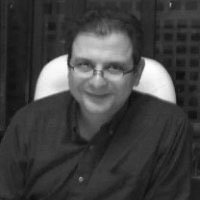
Mohamed Abdelbaki Mohamed
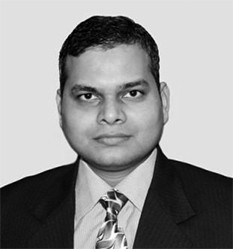
Mohammad Arif Kamal
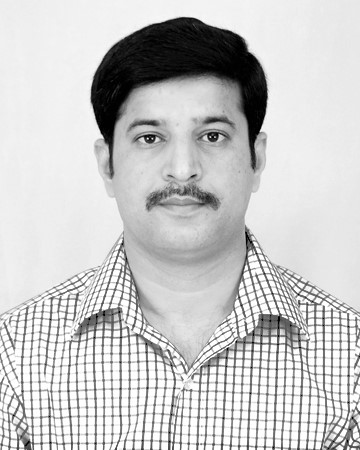
Mohammad Saquib
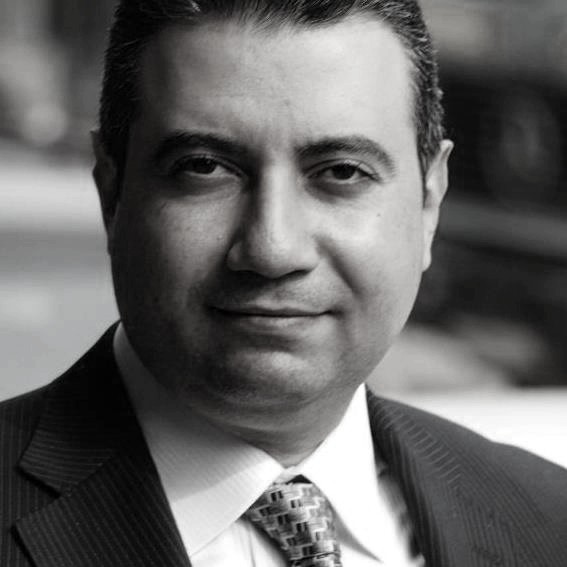
Nabil Mohareb
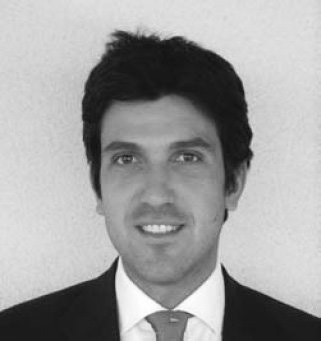
Ticali Dario
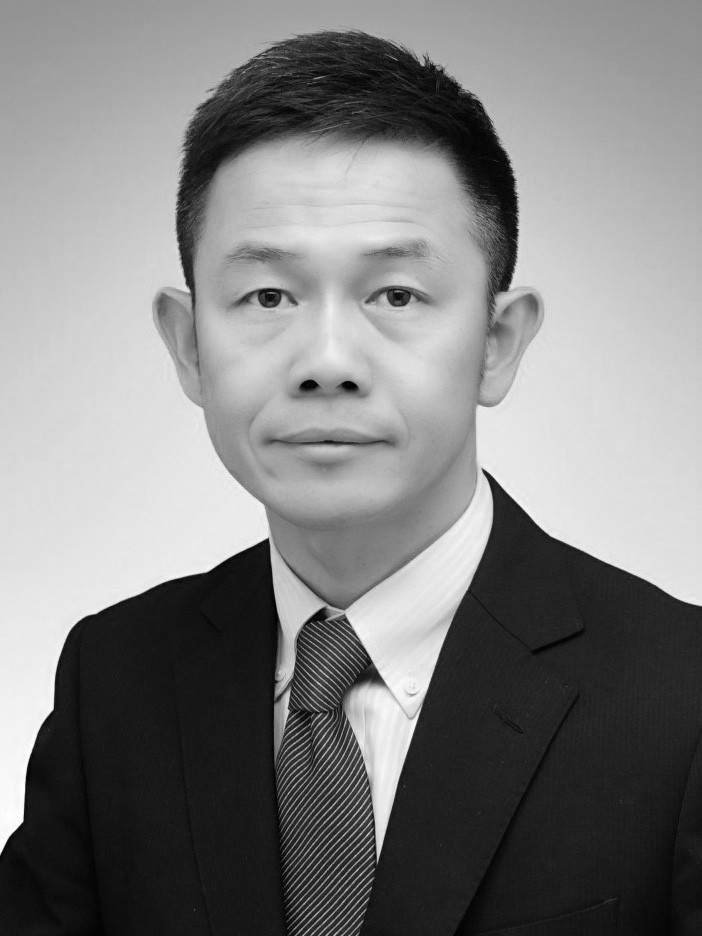
Tomohiro Fukuda

Tuzin Baycan
Venky N. Shankar
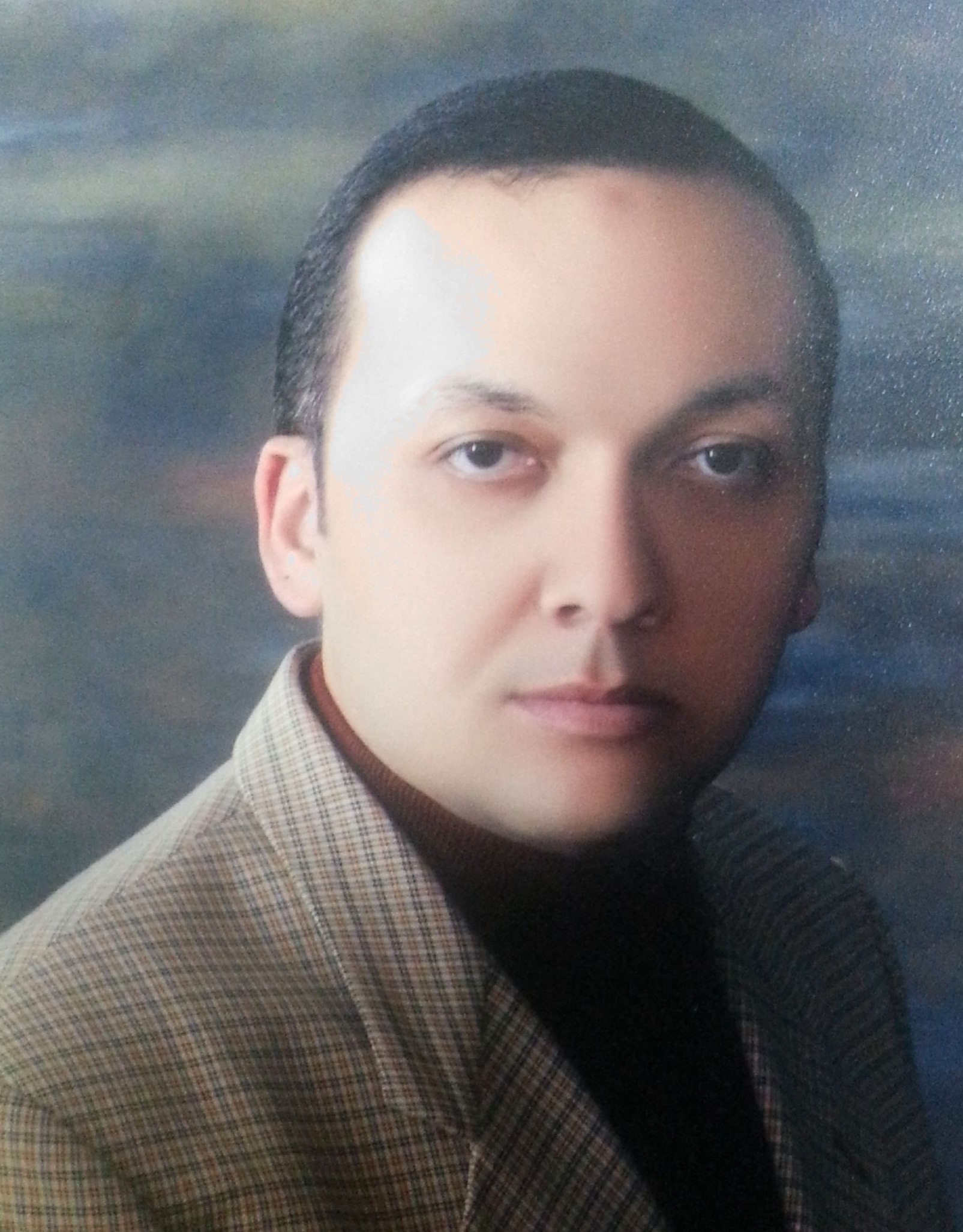
Usama A. Nassar
Branka Dimitrijevic

Samer Al-Ratrout

Alessandro Barracco
Featured Conferences
View all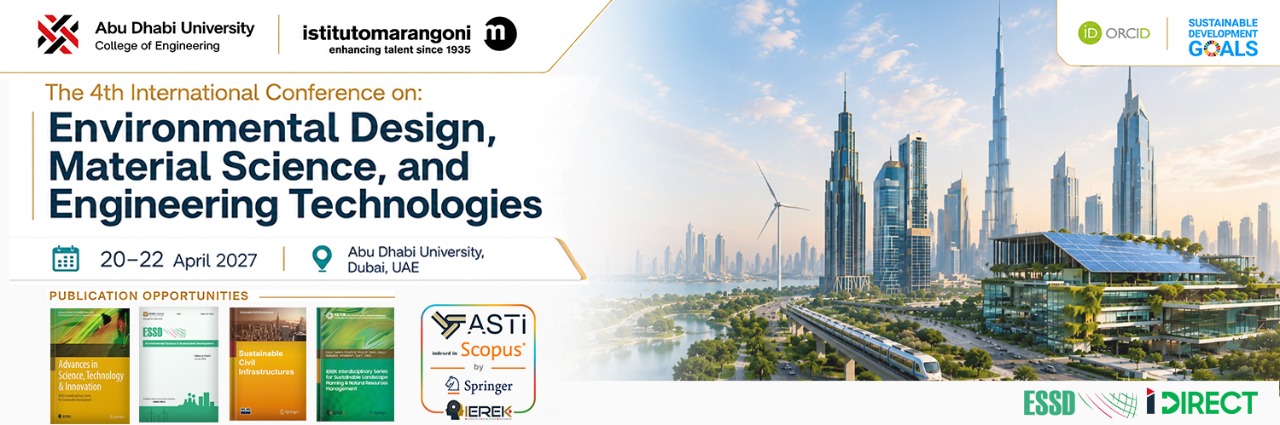
Environmental Design, Material Science, and Engineering Technologies (EDMSET) - 4th Edition
- 20th Apr - 22nd Apr 2027
- Abu Dhabi University, Dubai, UAE
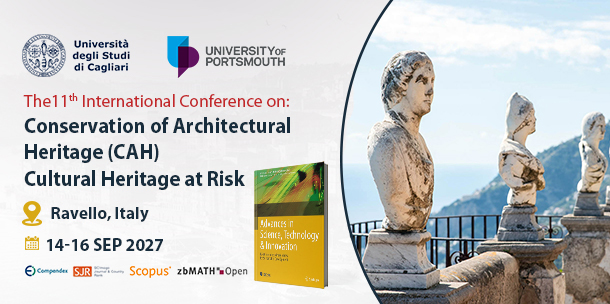
Conservation of Architectural Heritage (CAH) - 11th Edition
- 14th Sep - 16th Sep 2027
- Ravello, Italy
.jpg)
Urban Planning & Architectural Design for Sustainable Development (UPADSD) – 11th Edition
- 20th Oct - 22nd Oct 2026
- University of Florence, Italy
.jpeg)
AI & The Human Sphere (AI-Sphere)
- 30th May - 31st May 2027
- Online Conference
Ask Us Anything!
If you have any question regarding our services, please fill out the form below and we will get back to you as soon as possible.
Partners